Chimney sweeping
Removing soot and creosote buildup from the flue so the fireplace or stove drafts better and burns more safely.
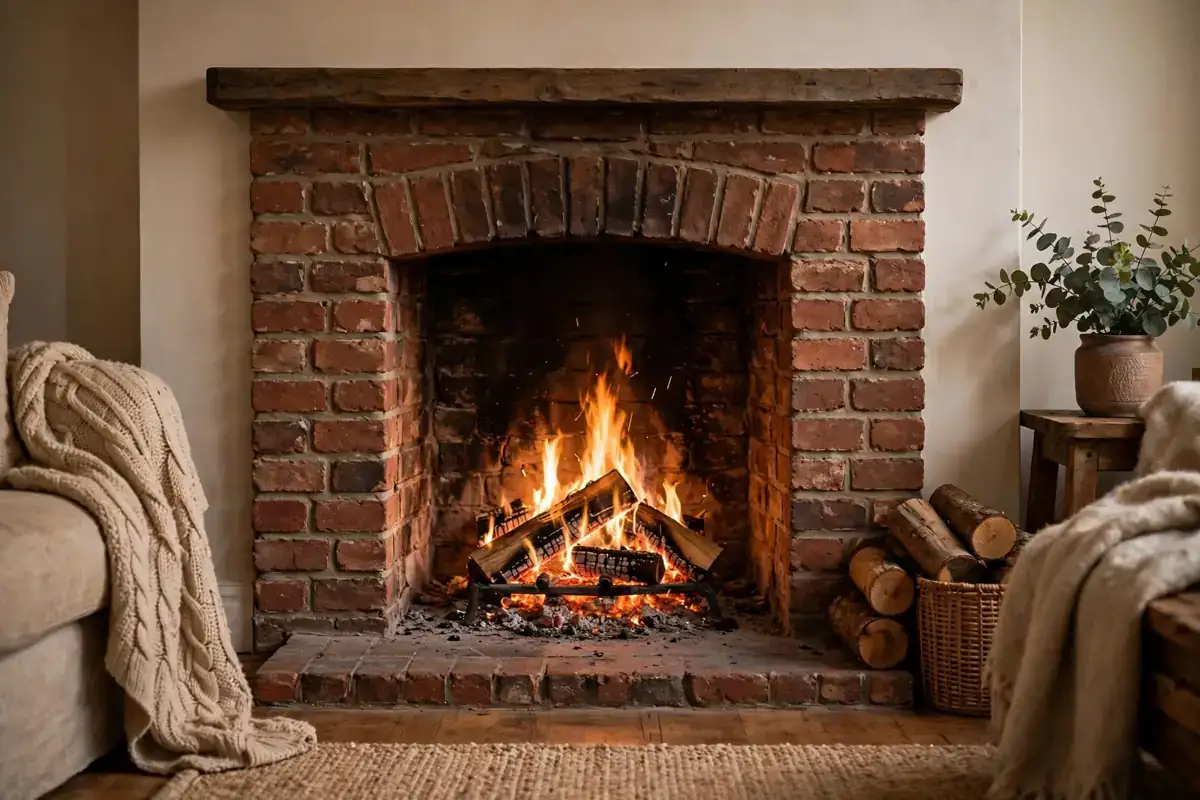
Chimney Services • Quincy, MA
Sweeps and inspections for the brick, stone, and older flues all over Quincy, before winter use.
Call (857) 220-8629 Request a quoteQuincy's older housing stock means a lot of chimneys have seen decades of use. Mortar wears, crowns crack, and liners age out. We look at the full picture — firebox, flue, crown, flashing, and cap — so small problems get caught before they turn into leaks or draft trouble.
If any of that sounds familiar, a call or a form message is the right next step — tell us what you are seeing and we will talk through what to check first.
Call (857) 220-8629A quick call is the fastest way to sort it — tell us what you are seeing and where, and we will talk through what to check first.
Call (857) 220-8629Request a quoteRemoving soot and creosote buildup from the flue so the fireplace or stove drafts better and burns more safely.
A top-to-bottom look at the flue, firebox, crown, cap, and flashing, with photos and a plain-language rundown of what we found.
Repointing, crown repair, and fixes for cracked masonry, worn mortar, and damaged brick before water gets in.
Liner checks and replacement when the old liner is cracked, the wrong size for the appliance, or missing altogether.
Keeping rain, animals, and drafts out, and sealing the joint where the chimney meets the roof.
Making sure wood stoves, inserts, and open fireplaces are venting into a flue that is clean, sound, and sized right.
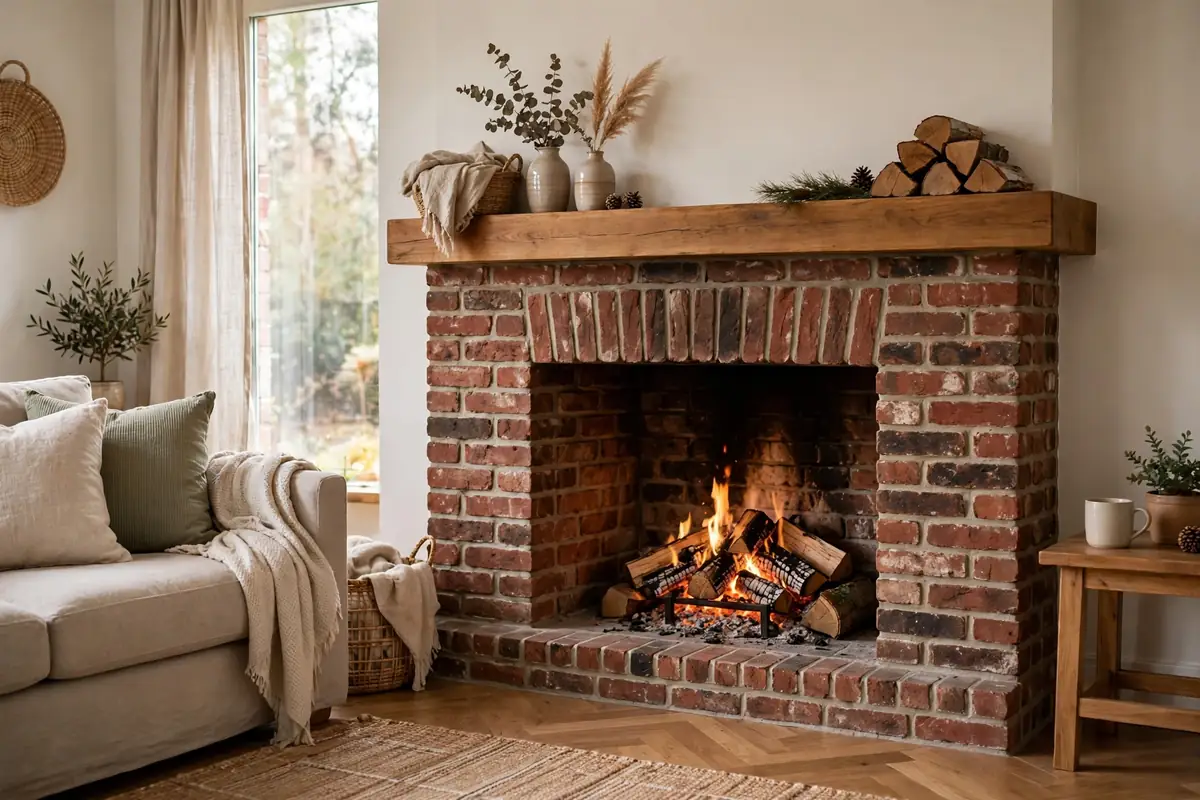
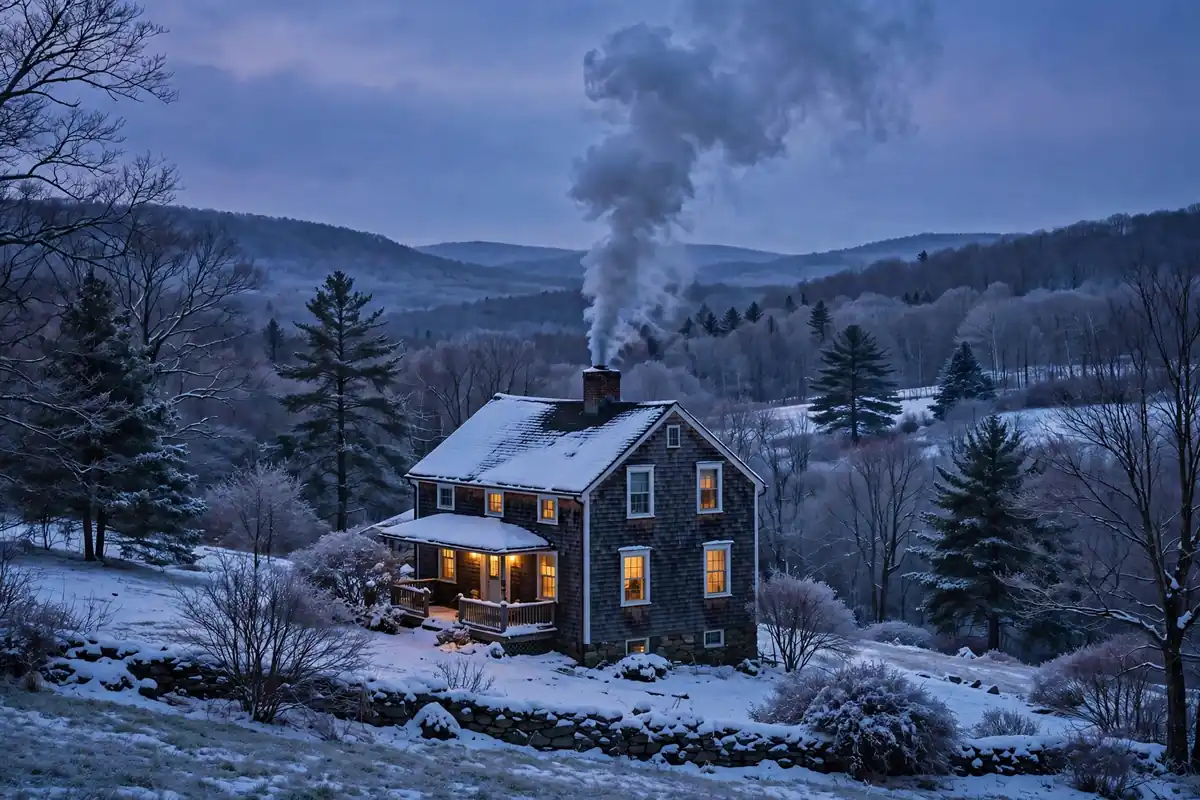
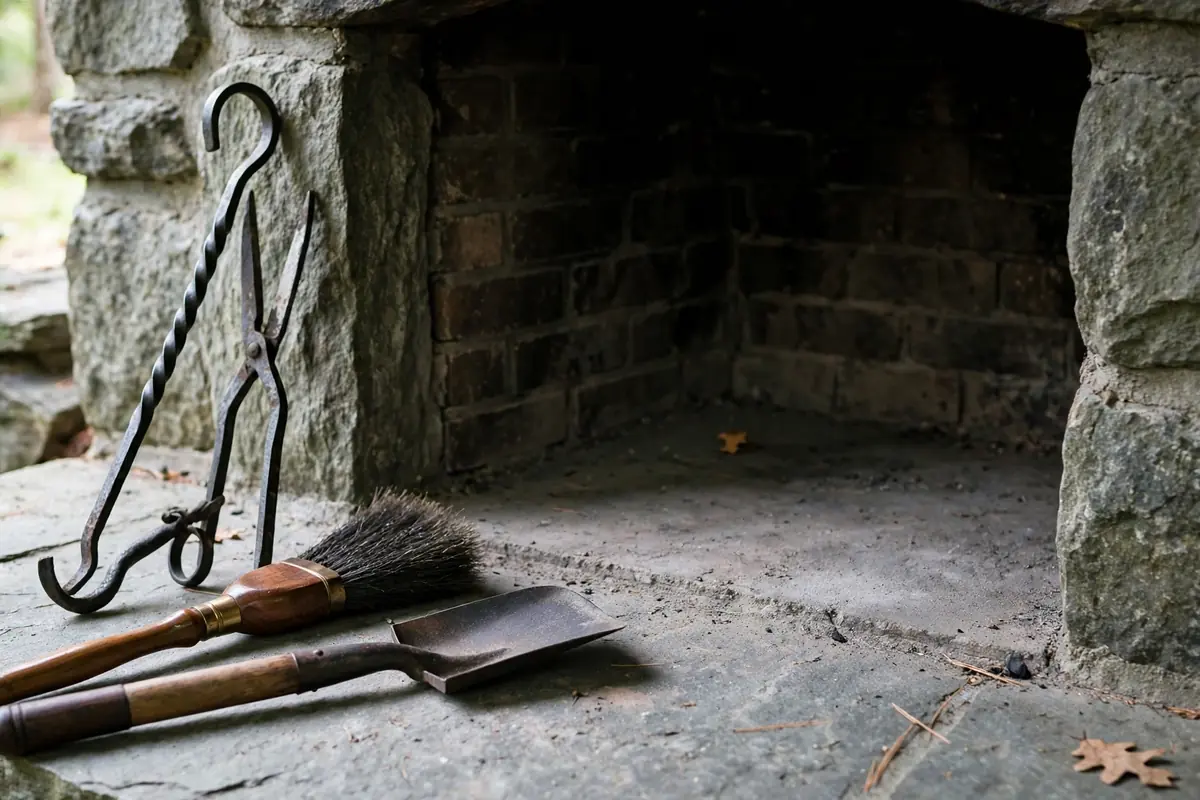
Photos showing the kinds of places and details involved — not a single job, just what to look for around the house.
Stuff worth knowing whether you hire us or not — the kind of things that save homeowners money and headaches when they are caught early.
Wet or green wood smokes more, builds creosote faster, and gives you less heat. Seasoned wood is dry, lighter, and cracks at the ends — and it makes sweeping a lot easier.
Late summer and early fall are the best time. If you wait until the first cold snap, you are competing with everyone else, and any repair found late is harder to schedule.
That shiny, tar-like buildup is the flammable stuff. A little powdery soot is normal. Thick, glazed creosote is a sign to sweep and to check how you are burning.
A fire that is hard to start or keeps smoking back can mean a blocked flue, a closed damper, or a cap problem — not just bad wood. Get it checked before you keep forcing fires.
A good cap keeps rain and critters out of a flue that is not in use. An open flue is an invitation for nests, and nests are a blockage waiting for the next fire.
Freeze and thaw opens up small cracks in the concrete crown on top. A quick look each spring catches them while they are still a small repair.
A thin bed of ash helps a wood fire burn, but a firebox packed full of ash chokes airflow. Scoop it out once it gets deep, and always put ash in a metal container with a lid.
For a wood-burning fireplace or stove used regularly, once a year is the usual rhythm. If you burn a lot, or mostly burn softwood or unseasoned wood, it may need attention sooner. Gas appliances still deserve a periodic inspection, even though they do not build creosote the same way.
The flue, the firebox, the crown and cap, the flashing where the chimney meets the roof, and the masonry you can see from the ground and the roof. You should get photos and a clear list of what is urgent, what is worth planning for, and what is fine.
Often it is a downdraft pulling air — and old soot smell — down the flue, or a damper that does not seal. A cap and damper check, plus a clean flue, usually sorts it. If the smell is strong or new, it is worth a look.
Yes. The crown is the slab on top that sheds water away from the flue. Once it cracks, water runs straight into the masonry, and freeze-thaw cycles make the cracks bigger every winter.
If the flue is unlined, cracked, or the wrong size for the appliance venting into it, a liner protects the masonry and improves draft. Not every chimney needs one — an inspection will tell you whether yours does, and why.
We serve Quincy, MA and nearby South Shore communities. If you are just outside that area, call anyway and ask — we will tell you straight whether we cover your town.
Call before you fill in the form and we will take the details directly.
Call (857) 220-8629Call (857) 220-8629, or use the form and we will call you back. Tell us as much as you can about the job — location in the house, what you are seeing, and anything you have already tried.